 Clara Bennett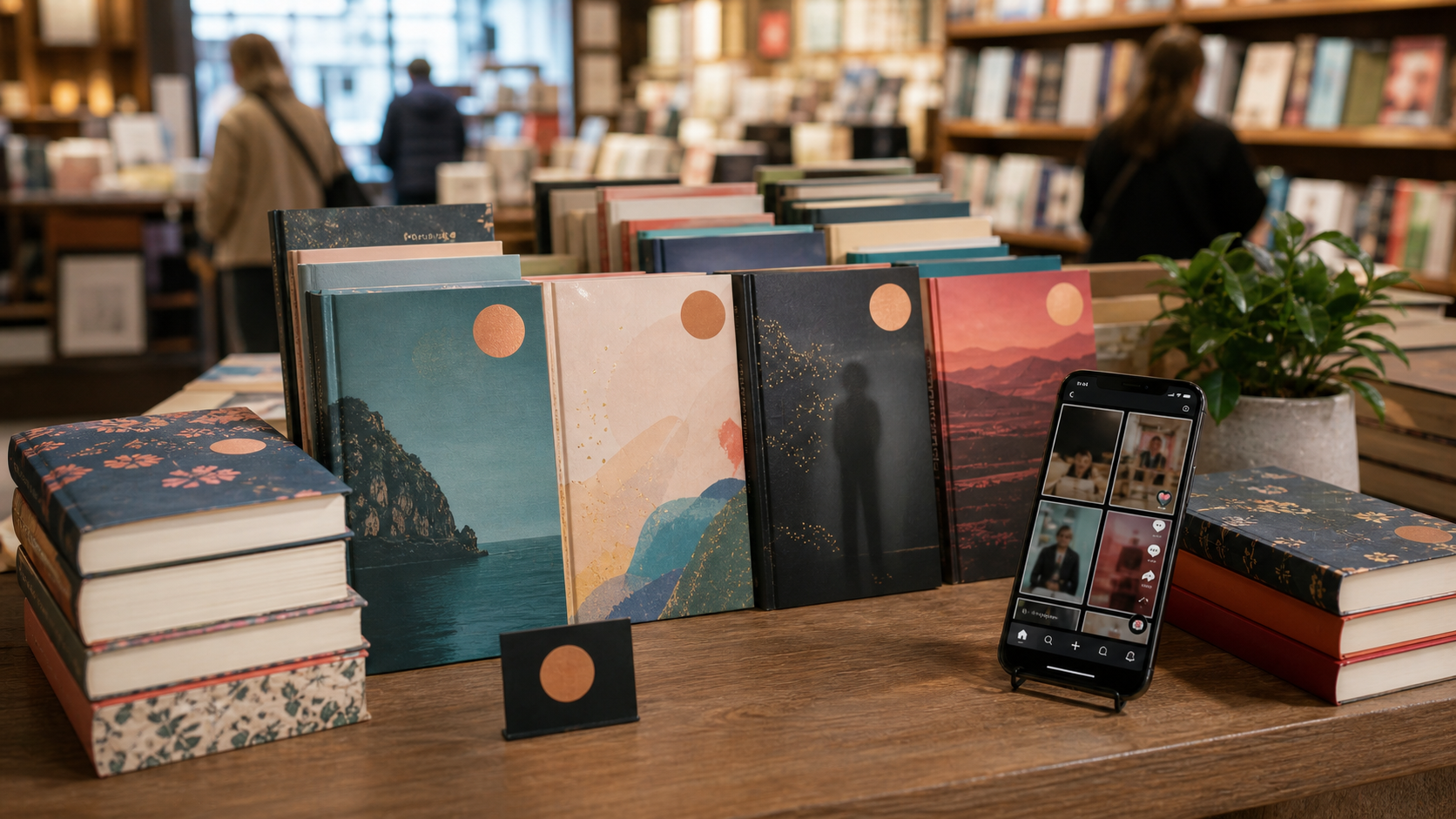
By Clara Bennett | Research current to May 6, 2026
BookTok used to feel like the least corporate corner of the book internet: a reader crying over a paperback in bad bedroom lighting, someone whispering “enemies to lovers” like a password, a stack of romantasy hardcovers threatening to topple off a desk. That version still exists. But in 2026, BookTok is also becoming infrastructure.
The clearest signal came this spring, when TikTok expanded its official #BookTok Bestseller List across Europe, using a mix of TikTok engagement and verified sales data from NielsenIQ BookData and Media Control. TikTok said more than 50 million books recommended by the #BookTok community were sold across key European markets in 2025, generating EUR 800 million in revenue.
In the UK, the platform tied the launch to the National Year of Reading 2026 and its “World’s Biggest Book Club” campaign. TikTok says the monthly list combines real-world retail data with TikTok engagement, while official stickers can mark BookTok bestsellers in stores. That is a remarkable shift. The app that publishers once watched nervously from the sidelines is now helping label the tables inside bookshops.
Read next: Spotify Wants Your Bookmark: The Audiobook Wars Are Becoming a Reading-Habit War
BookTok Is Becoming A Chart, Not Just A Conversation
Traditional bestseller lists have always shaped the book market, but they tend to arrive after the purchase. BookTok works earlier in the chain. It creates the desire, repeats the emotional shorthand, trains the reader on what kind of experience to expect, and then increasingly points them toward the checkout.
The first UK BookTok bestseller list made the pattern visible. According to Books+Publishing, the March top 10 included Rachel Reid’s Heated Rivalry at No. 1, multiple Chloe Walsh titles, Sarah J. Maas, Colleen Hoover, Rebecca Yarros, and SenLinYu’s Alchemised. It is a list that looks less like a broad national reading sample and more like a map of active fandom: romance, romantasy, backlist momentum, serialized obsession, and books that reward emotional evangelism.
That does not make it less real. It may make it more useful. A BookTok chart is not only asking, “What sold?” It is also asking, “What are readers talking about intensely enough to move copies?” For publishers, that is gold. For readers, it is more complicated.
The Good Part: Discovery Is Less Polite Now
BookTok’s best quality is that it broke the old tone of book recommendation. It is not especially interested in being tasteful. It is interested in being contagious.
That has helped genres long treated as guilty pleasures take up much more space. Romance, dark academia, fantasy romance, sports romance, young adult, fanfiction-to-traditional-publishing pipelines, special editions, sprayed edges, and emotionally maximal books all thrive on the platform because they are easy to describe as a feeling. A reader does not need to say, “This novel explores grief through speculative worldbuilding.” They can say, “This destroyed me,” and thousands of people understand the pitch.
There is something culturally healthy about that. Reading for pleasure has been in a fragile place, especially among teenagers. A February 2026 Guardian report on National Literacy Trust findings said daily reading among UK boys aged 14 to 16 had fallen below 10%, with schoolwork, screens, sport, and social life crowding books out. BookTok does not solve that by itself, but it does sell reading as belonging, taste, identity, argument, flirting, collecting, sobbing, annotating, and occasionally making poor decisions at midnight.
The Risk: The Algorithm Loves A Narrow Door
The trouble is that once a community becomes a measurable sales channel, its quirks harden into incentives.
If a publisher knows that a certain kind of cover, trope, title rhythm, spice level, or special edition photographs well on a phone, it becomes tempting to acquire and package more books that already look fluent in that language. If a bookseller can place an official sticker on a BookTok bestseller, it becomes tempting to make the table look like the feed. If Hollywood can see a loud fandom before buying rights, it becomes tempting to treat comments, edits, and ship wars as early market research.
Axios reported on May 4, 2026, that BookTok is shaping adaptation decisions, with studios paying attention to built-in fanbases and online reader enthusiasm. The piece cited industry data showing that nearly half of original drama series premiering on major platforms from January 2024 to June 2025 were adapted from books.
None of this is surprising. Books have always fed film and television. What feels newer is the speed and visibility of the feedback loop. A book becomes a TikTok object. The TikTok object becomes sales data. The sales data becomes a sticker, a table, a pitch deck, an adaptation target, a streaming campaign, and then another wave of TikTok content.
Readers Should Use The Chart, Not Be Used By It
The practical reader response is not to reject BookTok. That would be both joyless and unrealistic. The better move is to treat it like one shelf in a much larger bookstore.
A BookTok bestseller list can be a useful shortcut when you want to know what a community is emotionally invested in right now. It can point you toward books that have already created conversation. It can revive older titles that missed their moment the first time. It can also help readers who feel alienated by traditional literary gatekeeping find books that speak their language.
But the chart should not become the whole map. If every recommendation arrives through the same app, the same handful of creators, and the same retail pathways, reading starts to feel less like wandering and more like being processed through a funnel. The healthiest reading life still needs friction: a library shelf, a bookseller’s weird recommendation, a critic you half-disagree with, a friend who knows your taste badly but loves you anyway, an old paperback picked up for reasons you cannot defend.
What This Means For 2026
For publishers, the lesson is not simply “make everything BookTok-ready.” The better lesson is that readers respond to emotional clarity, community, and a visible sense of stakes. That can apply to romance and romantasy, but it can also apply to horror, literary fiction, memoir, translated fiction, comics, narrative nonfiction, audiobooks, and books that do not obviously fit the current feed.
For booksellers and libraries, the opportunity is to use BookTok as an entry point rather than an endpoint. A table of viral titles can sit beside staff picks, local authors, readalikes, banned books, short books for tired adults, or “if you liked the adaptation” displays. The algorithm can open the door. Human curation still has to widen the room.
For readers, the best rule may be simple: let BookTok make you curious, but do not let it make you obedient. The old version of BookTok made people say, “I saw this book everywhere, so I bought it.” The more interesting 2026 version should make people say, “I saw this book everywhere, so I followed the thread somewhere stranger.”