 Wilhemina Carpenter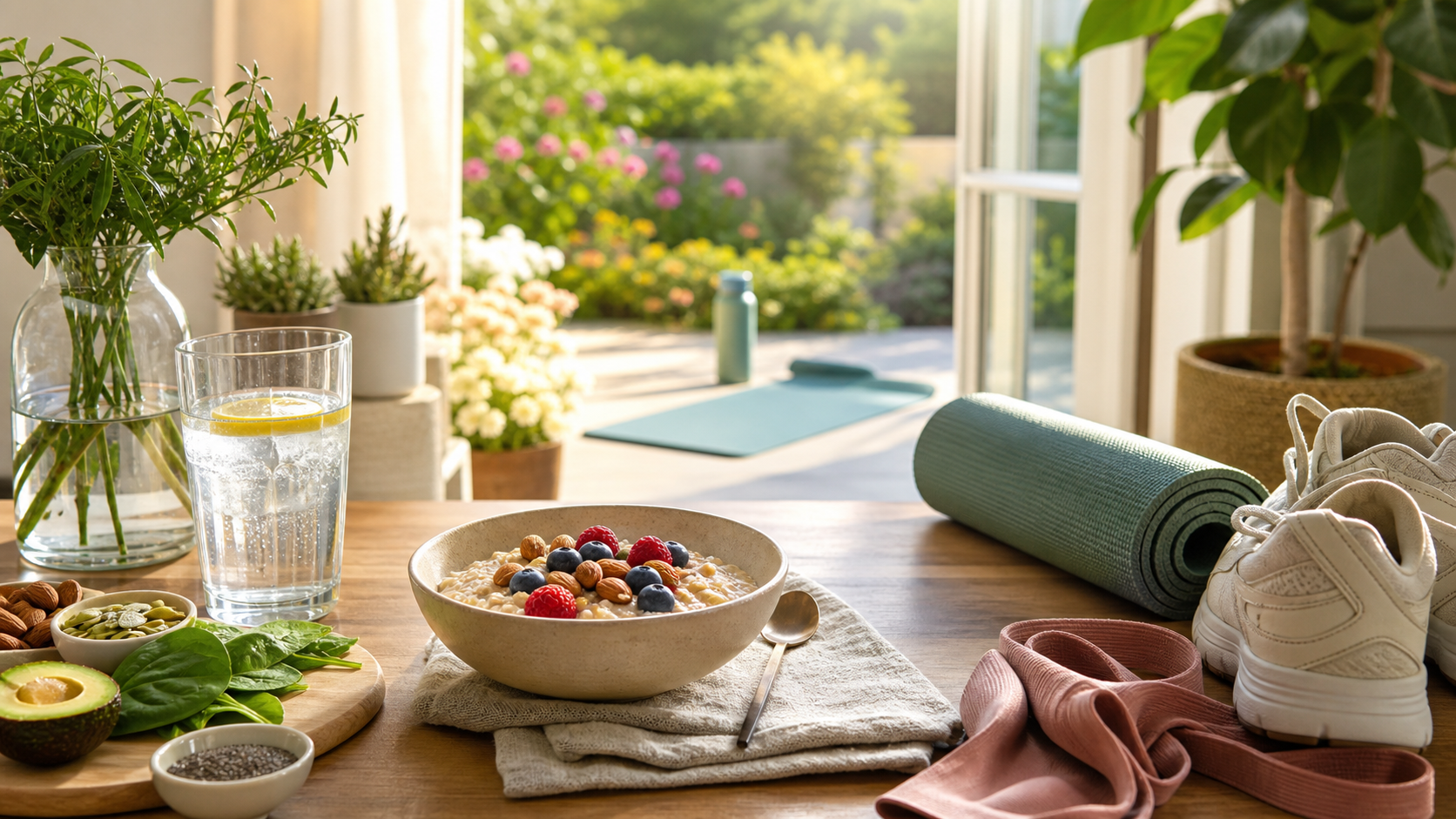
Anxiety usually does not improve because of one dramatic life hack. It tends to respond better to small habits that make the body feel safer, steadier, and less over-caffeinated. The five ideas below are not a replacement for therapy, medication, or medical care when those are needed. They are practical, everyday tools that may help you lower the volume on anxious days and build a routine your nervous system can trust.
If anxiety is severe, lasts for weeks, affects sleep or work, causes panic attacks, or comes with thoughts of self-harm, it is time to speak with a qualified health professional. The National Institute of Mental Health notes that anxiety disorders are more than occasional worry and can interfere with daily life, but they are treatable with the right support.
Read Next: Fiber Is Becoming the New Protein. Here is How to Eat More Safely
1. Start the day with gentle movement and outside light
Morning movement does not need to mean a punishing workout. A ten-minute walk, a few slow stretches on the patio, or standing outside with your shoulders relaxed can be enough to change the tone of the morning. Try stepping away from your phone, breathing through your nose, and letting your eyes take in the scenery around you rather than locking onto one anxious thought.
The Centers for Disease Control and Prevention says a single session of moderate-to-vigorous physical activity can reduce feelings of anxiety, and regular activity can support sleep and mood over time. That does not mean everyone needs to run. Brisk walking, gentle cycling, dancing in the kitchen, gardening, or stretching outside can all count as ways to move your body out of freeze mode and into a more grounded rhythm.
2. Use breathing as a reset, not a performance
When anxiety rises, the body often acts as if there is an emergency: breathing gets shallow, muscles tighten, and the heart may feel louder than usual. A simple breathing routine can help create a pause. One easy version is to inhale for three counts, hold softly for two, and exhale for four or five. Repeat for two minutes without forcing the breath.
The National Center for Complementary and Integrative Health describes relaxation techniques as ways to encourage the body's relaxation response, which is associated with slower breathing, lower heart rate, and a calmer physical state. Breathing will not solve every problem, but practiced regularly, it gives you something concrete to do when anxious thoughts start trying to run the room.
3. Drink enough water and be honest about stimulants
This one sounds almost too simple, which is probably why people skip it. Mild dehydration can affect mood and make anxiety feel sharper, according to Mayo Clinic. If you wake up and go straight into coffee, emails, and stress, your body may spend the first half of the day playing catch-up.
A practical routine is to keep water visible: one glass after waking, one before coffee, one with lunch, and one in the afternoon. You do not need to obsess over a perfect number. Just make hydration less accidental. At the same time, watch caffeine, nicotine, energy drinks, and alcohol. Mayo Clinic notes that caffeine and nicotine can worsen anxiety, while alcohol may feel calming at first but can disrupt sleep and leave you feeling edgy later.
4. Eat simple meals that keep blood sugar steady
Anxiety is harder to manage when you are underfed, over-sugared, or running on snack foods that burn off quickly. Mayo Clinic recommends breakfast with protein, complex carbohydrates such as whole grains, plenty of water, and balanced meals with fruits, vegetables, and fish. The goal is not a perfect wellness diet. It is steady energy.
Easy meals that fit the brief include oatmeal with Greek yogurt, berries, chia seeds, and pumpkin seeds; eggs with spinach and whole-grain toast; a salmon or tuna rice bowl with greens and avocado; lentil soup with whole-grain bread; or a chickpea and quinoa bowl with olive oil, lemon, cucumber, and herbs. These meals are simple, not fussy, and they bring together protein, fiber, complex carbohydrates, healthy fats, and magnesium-rich ingredients.
If you struggle to eat when anxious, think smaller. A smoothie with yogurt, banana, oats, and nut butter may be easier than a full plate. So can soup, eggs, or a rice bowl. Your nervous system does not need a complicated recipe. It needs regular fuel.
5. Consider magnesium carefully, starting with food
Magnesium gets a lot of attention for stress and sleep, and there is a real biological reason people connect it to calm. Magnesium is involved in muscle and nerve function, and researchers have studied its relationship with NMDA and glutamate signaling, a pathway involved in nervous-system excitability. A 2017 systematic review found suggestive evidence that magnesium may help subjective anxiety in some vulnerable groups, but the authors also said the evidence quality was poor and better trials were needed.
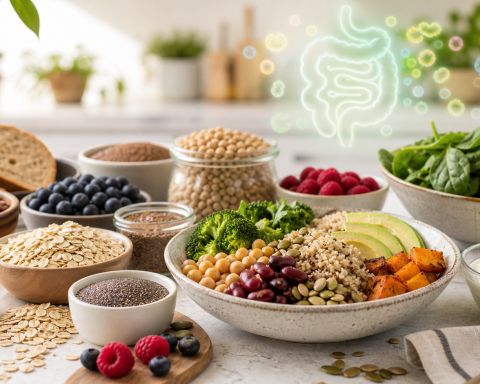
That means magnesium is worth discussing, but it should not be sold as a cure. The NIH Office of Dietary Supplements lists leafy greens, legumes, nuts, seeds, and whole grains as good magnesium sources. Good everyday options include spinach, black beans, lentils, almonds, cashews, pumpkin seeds, chia seeds, oats, brown rice, yogurt, and dark chocolate in modest amounts.
If you are considering a supplement, keep it sensible. NIH notes that adult magnesium needs vary by age and sex, and that the tolerable upper intake level for supplemental magnesium is 350 mg per day for adults. That limit applies to magnesium from supplements and medications, not food. Magnesium supplements can also cause diarrhea and interact with some medications, including certain antibiotics and osteoporosis medicines. People with kidney disease or regular medication use should speak to a doctor or pharmacist first.
The small routine is the point
The best anxiety routine is not dramatic. It is repeatable. Water before the second coffee. A walk before the inbox. A meal that does not spike and crash your energy. A breathing pattern you can remember when your thoughts get loud. Magnesium-rich foods before chasing the latest supplement trend.
None of these habits promises instant calm. Together, though, they make your day less hostile to your nervous system. That is often where anxiety management starts: not with forcing yourself to feel fine, but with giving your body fewer reasons to stay on high alert.
Sources
- National Institute of Mental Health: Anxiety Disorders
- National Institute of Mental Health: My Mental Health, Do I Need Help?
- CDC: Health Benefits of Physical Activity for Adults
- NCCIH: Relaxation Techniques
- Mayo Clinic: Coping With Anxiety and Diet
- Mayo Clinic: Anxiety Diagnosis and Treatment
- NIH Office of Dietary Supplements: Magnesium Fact Sheet
- PubMed: Magnesium Supplementation and Subjective Anxiety Systematic Review
- PubMed: NMDA/glutamate mechanism of magnesium-induced anxiolytic-like behavior in mice