 Wilhemina Carpenter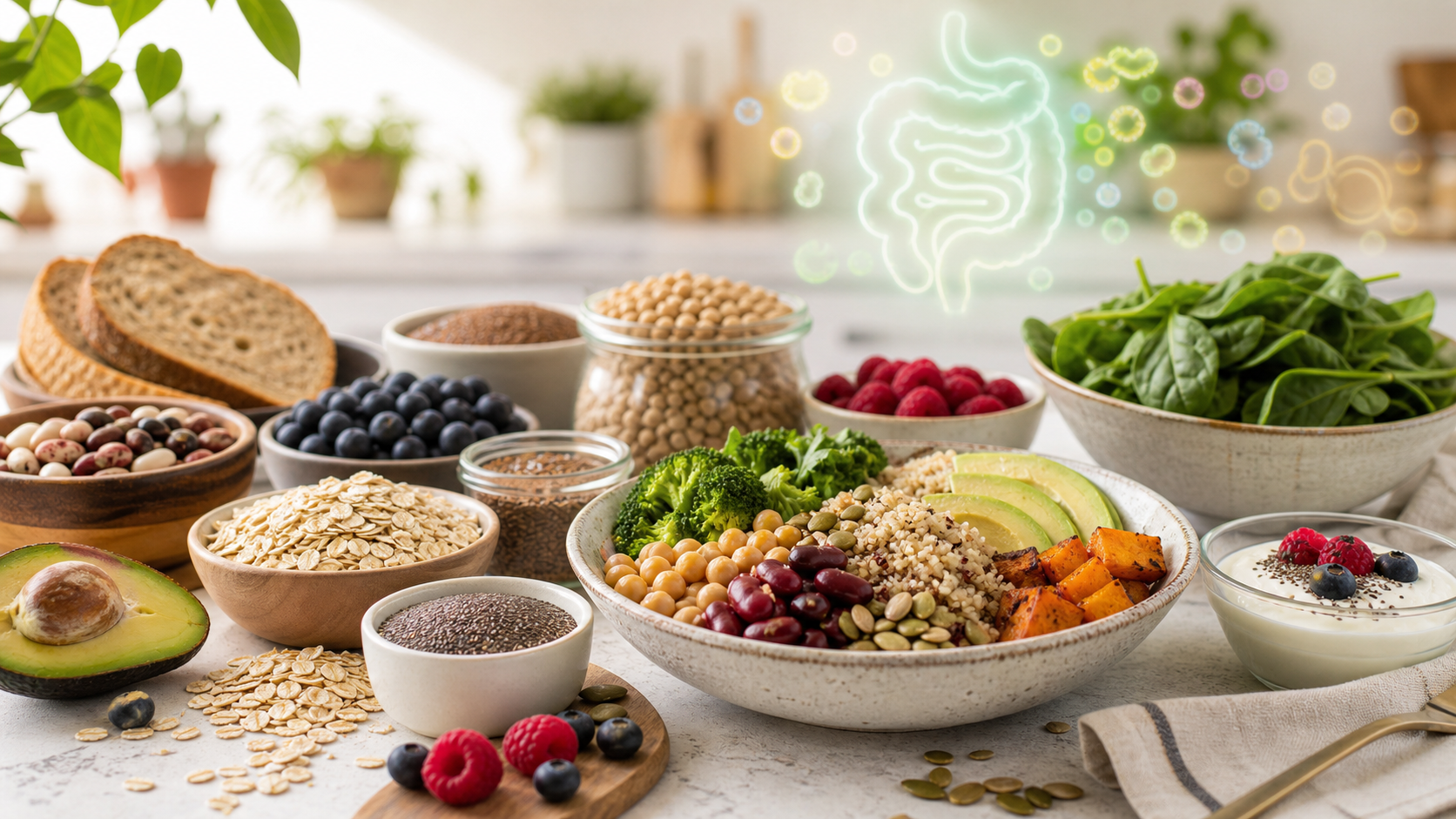
Protein had a long run as the nutrient everyone wanted to talk about. It still matters, of course. But in grocery aisles, coffee-shop coolers and wellness conversations, fiber is quietly becoming the next big thing. Whole Foods Market named Focus on Fiber one of its top 2026 food trends, pointing to more fiber callouts on pastas, breads, crackers, bars and prebiotic drinks.
The appeal is easy to understand. Fiber sounds practical rather than precious. It is connected to digestion, fullness, regularity and the growing interest in gut health. But the most useful way to think about fiber is not as the new protein in a competitive sense. Your body needs both. Fiber is having a moment because many people are not getting enough of it, and because the best sources are humble foods that belong in everyday meals.
Read Next: 5 Best Ways to Manage Anxiety in Everyday Life
What Fiber Actually Does
Fiber is a type of carbohydrate found mostly in plant foods: beans, lentils, vegetables, fruit, whole grains, nuts and seeds. Unlike many carbohydrates, it is not fully broken down and absorbed by the body. The CDC explains that soluble fiber can help slow digestion and support blood sugar and cholesterol control, while insoluble fiber helps move material through the digestive system.
That does not mean fiber is a cure-all. Gut health is complicated, and people respond differently to different fibers. NIH research has noted that the benefits of fiber can vary by fiber type, amount and the individual. In plain kitchen terms: a bowl of lentil soup, a spoonful of chia and a fiber supplement are not identical experiences for your gut.
Why The Trend Is Bigger Than Supplements
The FDA lists the Daily Value for dietary fiber as 28 grams on Nutrition Facts labels, and it considers 20% Daily Value or more per serving to be high. That makes labels useful when you are comparing breads, cereals or pastas. Still, a food-first approach is usually the gentler and more satisfying path, because beans, oats, berries and vegetables bring vitamins, minerals, flavor and texture along with the fiber.
Fiber-fortified snacks can be helpful, especially on busy days, but they should not crowd out real meals. Some added fibers, such as chicory root or inulin, can cause bloating for sensitive people. If a gut healthy bar leaves you uncomfortable, your body may simply prefer a slower route: half a cup of beans at lunch, an apple with peanut butter, or oats at breakfast.
A Simple High-Fiber Day
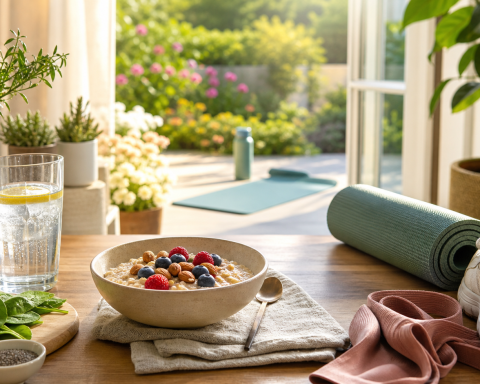
Breakfast could be oatmeal topped with berries, walnuts and a spoonful of ground flaxseed. Lunch might be a lentil and vegetable soup with a slice of whole-grain toast. For dinner, try black bean tacos with cabbage slaw, avocado and salsa, or a brown rice bowl with roasted broccoli, chickpeas and tahini lemon sauce.
Snacks count too. Pears, oranges, raspberries, carrots with hummus, edamame, popcorn, almonds and chia pudding all add up. The trick is spreading fiber across the day rather than trying to land the whole target in one heroic dinner. Your gut generally prefers rhythm over surprise.
Increase Fiber Slowly
The biggest mistake is going from low-fiber eating to fibermaxxing overnight. The CDC cautions that a sudden increase can lead to bloating, gas, constipation, diarrhea or cramps, and recommends drinking plenty of water as you add more. NIDDK gives similar advice for constipation: add fiber a little at a time and drink fluids to help it work better.
A practical pace is to add one fiber-rich food per day for a week, then build from there. Start with breakfast oats, then add beans to a soup, then swap white rice for brown rice or quinoa, then add a fruit-and-nut snack. If you are already dealing with constipation, diarrhea, IBS, inflammatory bowel disease, gastroparesis, recent surgery, an eating disorder history or medication that affects digestion, it is worth checking with a clinician or dietitian before making big changes.
Make Beans Easier To Love
Beans and lentils are some of the most useful high-fiber foods because they are inexpensive, filling and flexible. If they bother your stomach, start small: two tablespoons of rinsed canned beans in a salad, lentils blended into tomato soup, or hummus spread thinly on toast. Rinsing canned beans, cooking dried beans until tender, and using herbs such as cumin, bay leaf, ginger or fennel can make them feel friendlier.
Do not overlook culture here. Many of the world’s most satisfying meals are naturally fiber-rich: dal, minestrone, black beans and rice, ful medames, chickpea stew, split pea soup, soba with vegetables, barley salads and bean tacos. The wellness industry did not invent fiber. It mostly renamed what good home cooks have known for generations.
How To Shop Without Overthinking
In the store, look first for foods that still resemble themselves: oats, lentils, chickpeas, berries, apples, greens, sweet potatoes, whole-grain bread, brown rice, nuts and seeds. For packaged foods, check the serving size and % Daily Value for fiber. A cereal with more fiber but a long list of added sugars may not be the better breakfast.
The best high-fiber eating is ordinary enough to repeat. Add peas to pasta. Put chickpeas on a salad. Keep frozen berries for oatmeal. Choose a grainy bread you actually like. Make a pot of soup on Sunday. Fiber may be trending like protein once did, but the lasting version will come from meals that taste good and leave you comfortable.
Sources
- Whole Foods Market: Top Food Trend Predictions for 2026
- ODPHP: Dietary Guidelines for Americans, 2025-2030
- FDA: Daily Value on Nutrition and Supplement Facts Labels
- CDC: Fiber, healthy eating and diabetes
- NIDDK: Eating, diet and nutrition for constipation
- NIH Research Matters: Health benefits of dietary fibers vary