 Wilhemina Carpenter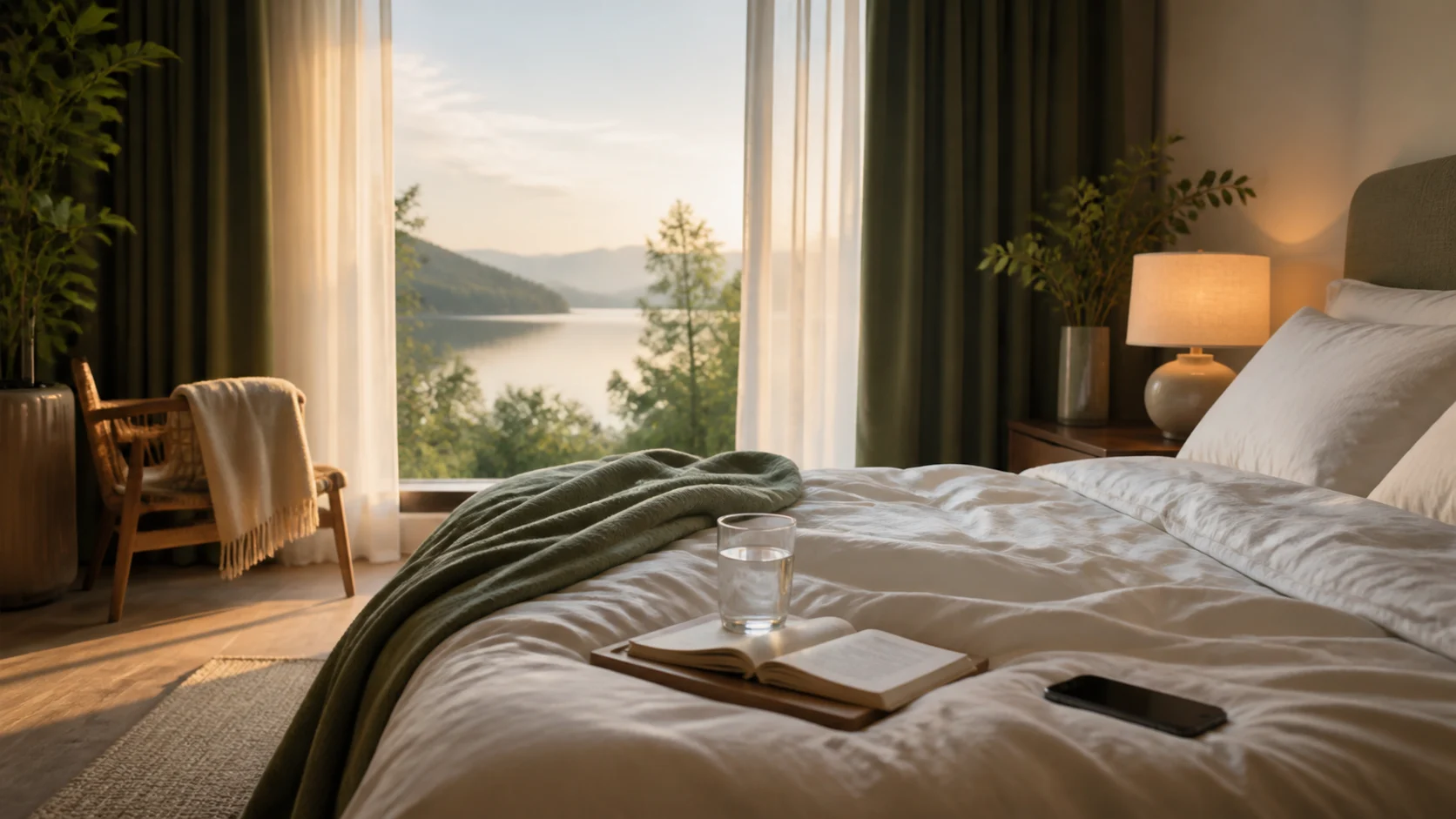
Sleep tourism sounds almost too simple to be a trend: people are traveling because they want to rest. Not to collect sights, not to chase reservations, not to return home with a more impressive camera roll. They want a good bed, quiet mornings, fewer notifications and the rare feeling of waking up without already being late.
In 2026, that desire is showing up in travel research and hotel marketing. Hilton’s 2026 Trends Report found that the number one leisure travel motivation among surveyed travelers was to rest and recharge, chosen by 56%. The same report highlighted interest in nature, mental health and me time, wrapping it under a broader shift toward more intentional trips.
Read Next: How to Use AI Travel Assistants Safely in 2026
What Sleep Tourism Is Really Selling
At the luxury end, sleep tourism can include pillow menus, blackout suites, circadian lighting, sleep consultations, quiet floors, sound baths, spa treatments and smart mattresses. Some of these ideas are genuinely useful; others are expensive theater. The appeal is not hard to read. Many people are tired, overstimulated and trying to buy back the conditions that make sleep possible.
The Global Wellness Institute has described sleep tourism as a growing part of the wellness economy, while also pointing to a sleep divide: some travelers can pay for optimized rest, while many people lack the basic conditions for healthy sleep. That is the tension at the heart of the trend. Rest is marketed as luxury, but sleep is a basic health need.
The Health Basics Are Not Exotic
The CDC recommends that adults ages 18 to 60 get at least seven hours of sleep, with slightly different ranges for older adults. It also says healthy sleep depends on quality, not just time in bed. Signs of poor sleep quality can include trouble falling asleep, repeated waking and feeling tired even after enough hours.
The practical advice is refreshingly plain: keep a consistent bedtime and wake time, make the bedroom quiet, relaxing and cool, turn off electronic devices at least 30 minutes before bed, avoid large meals and alcohol before bedtime, avoid caffeine later in the day, and exercise regularly. In other words, the best parts of sleep tourism are often portable.
Plan A Rest-First Trip Without Paying Resort Prices
Start by choosing a destination that does not demand constant movement. A small town with good walks, a beach off-season, a cabin near trails, a quiet city neighborhood or a familiar place where you do not feel pressure to see everything can work better than a famous wellness property. The destination should support the goal: slower mornings, easy meals, daylight, and low-friction logistics.
Book fewer nights in a better-located place rather than more nights somewhere stressful. Read reviews for noise, mattress comfort, curtains, heating and cooling, and construction nearby. If you are sensitive to sound, avoid rooms over bars, beside elevators or facing busy roads. A cheaper room that lets you sleep beats a glamorous room that keeps you awake.
Build The Itinerary Around Recovery
A sleep-focused trip needs white space. Keep arrival day almost empty. Plan one anchor activity per day: a long lunch, a swim, a museum, a market, a gentle hike. Leave evenings boring on purpose. That does not mean joyless; it means dinner nearby, a warm shower, a book, and enough time for your nervous system to stop performing.
If you are crossing time zones, help your body with light. Get outside in the morning when you can, keep naps short, and avoid using the first night for a big dinner or late event. The goal is not perfect sleep on command. It is giving your body fewer reasons to fight the clock.
What To Pack For Better Sleep
A small rest kit can do more than a fancy hotel promise: earplugs, a comfortable eye mask, a charging cable long enough to keep your phone away from the bed, any medication you normally use, breathable sleepwear, and a familiar wind-down item such as a paperback or simple stretching routine. If you use a white-noise app, download it before you travel.
Be careful with supplements, alcohol and sleepy cocktails marketed as wellness shortcuts. Alcohol may make you drowsy, but it can disrupt sleep quality. If you regularly struggle to sleep, snore heavily, wake gasping, or feel exhausted despite enough time in bed, a vacation is not a substitute for medical advice. The CDC recommends talking with a healthcare provider when sleep problems are regular.
Bring The Best Part Home
The most valuable souvenir from a sleep vacation is not the robe. It is proof that your environment and schedule matter. At home, try borrowing one travel habit at a time: a phone-free last half hour, a cooler bedroom, a regular wake time, morning daylight, or a Sunday evening reset that makes Monday less abrupt.
Sleep tourism is trending because people are tired of vacations that feel like work in nicer shoes. A restorative trip does not have to be silent, expensive or spa-branded. It just needs to protect the thing many itineraries accidentally destroy: enough time, calm and darkness to properly rest.