 Jeff McGilligan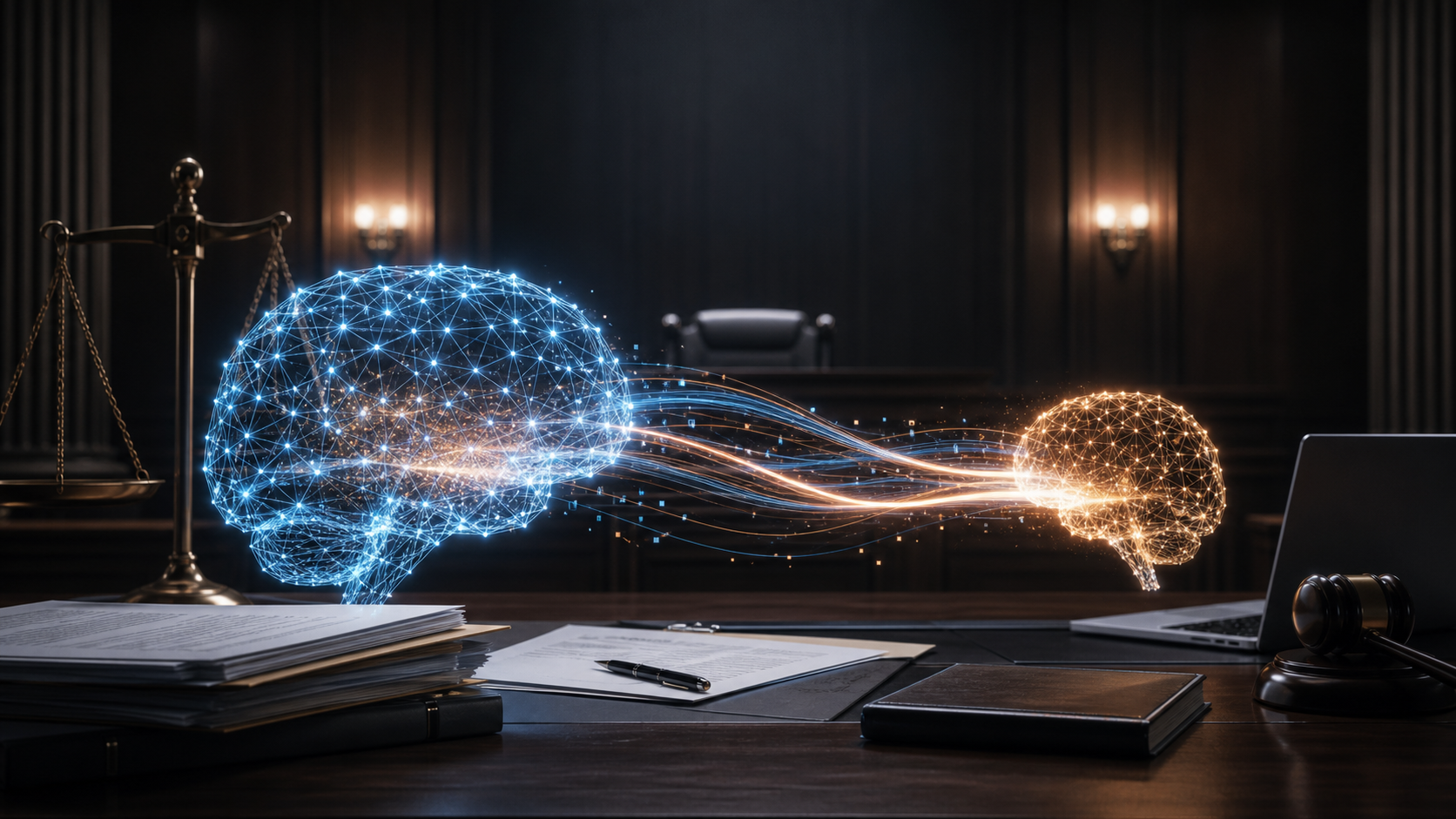
Elon Musk’s admission that xAI partly used OpenAI models to train Grok has turned model distillation from an inside-baseball AI topic into a mainstream tech story. The moment came during Musk’s ongoing legal fight with OpenAI, where a courtroom exchange about how AI labs learn from one another exposed one of the industry’s least comfortable questions: when does learning from a rival model become copying?
According to reports from TechCrunch, WIRED, and The Verge, Musk was asked in federal court whether xAI had used OpenAI models while developing Grok. Musk described the practice as common across AI companies and, when pressed, reportedly answered that xAI had done so “partly.” That single answer matters because xAI is not a minor side project. It is Musk’s direct challenge to OpenAI, Anthropic, Google, and the rest of the frontier AI market.
Read Next: U.S. AI Model Testing Expands With Google, Microsoft and xAI
What is model distillation?
Model distillation is a training method where one AI system learns from the outputs or behavior of another. In a normal internal setting, it can be useful: a company may use a larger, slower model to train a smaller, cheaper model that is easier to run at scale. The controversy starts when a company uses a competitor’s model as the teacher, especially if that access happens through public chatbots, APIs, or automated prompting that may violate terms of service.
That is why the Grok testimony landed so sharply. AI labs spend enormous sums on chips, engineers, data, safety work, and infrastructure to build frontier models. If a rival can query those systems and use the answers to accelerate its own model, the economics of the AI race start to look very different. The biggest companies are not only competing on product features anymore. They are trying to protect the model behavior itself.
Why OpenAI, Anthropic and Google care
The timing also matters. OpenAI, Anthropic, and Google have already been pushing back against unauthorized model distillation, particularly around claims that Chinese AI firms have used output from American systems to build cheaper competing models. Bloomberg recently reported that those companies have been sharing information through the Frontier Model Forum to detect and counter adversarial distillation attempts.
Musk’s courtroom answer complicates that argument. If distillation is framed as a threat when foreign competitors do it, but as standard practice when American rivals do it, the industry will need clearer rules. Otherwise, the debate becomes less about principle and more about who has enough market power to decide what counts as acceptable learning.
What this means for Grok and xAI
For xAI, the short-term impact is reputational. Grok has been positioned as a different kind of AI assistant, tied closely to Musk’s broader technology ecosystem and his public criticism of OpenAI. Any suggestion that Grok benefited from OpenAI’s models undercuts some of that outsider branding, even if the technical practice is common and even if no court has decided that xAI did anything unlawful.
For OpenAI, the testimony gives its lawyers and public-relations team a pointed example in the broader fight over model access. The company has argued that protecting advanced models from unauthorized extraction is now part of protecting both commercial investment and national AI leadership. Musk’s answer gives that debate a familiar face, and that is why the story is spreading beyond specialist AI circles.
The bigger question for AI users
The Grok and OpenAI dispute is not just a billionaire courtroom drama. It is a preview of how the next phase of AI competition may work. Users want better models, lower prices, and faster innovation. AI companies want to defend the expensive systems they built. Regulators will now have to decide how much of a model’s behavior can be protected, and how much must remain part of the normal process of competition and technical progress.
The practical takeaway is simple: model distillation is moving from research technique to business battleground. If courts, regulators, and AI companies fail to draw clearer lines, the same tool that makes AI cheaper and more efficient could become one of the defining legal fights of the AI industry.