 Wilhemina Carpenter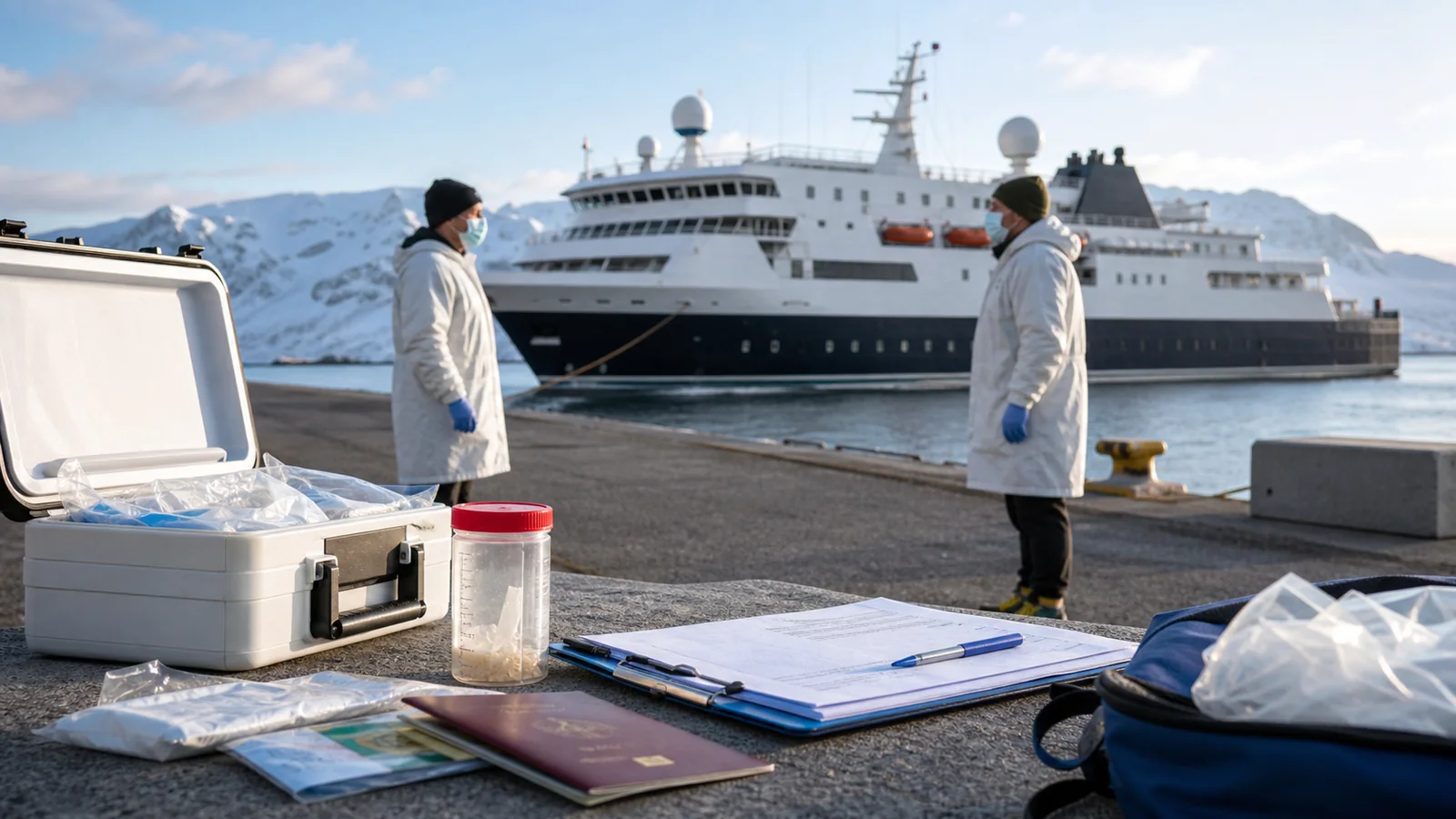
By Wilhemina Carpenter, ReadBasket
Current as of May 13, 2026.
Hantavirus is in the news because of a serious outbreak linked to the MV Hondius expedition cruise ship. The story is frightening, especially because people have died, but the most useful response is clarity rather than panic.
As of ECDC’s May 13 update, 11 cases have been reported in the Andes hantavirus outbreak linked to the MV Hondius, including eight confirmed cases, two probable cases, one inconclusive case and three deaths. ECDC said no new cases or deaths had been reported since its previous update. The ship had arrived in Tenerife on May 10, disembarkation was completed on May 11, and repatriation of passengers and crew was completed. The vessel was scheduled to reach the Netherlands on May 17 or 18.
Those numbers are serious. They also need context. Public-health agencies are not describing this as a broad public threat. CDC has said the risk to the American public is extremely low, while ECDC describes the risk to the EU/EEA general population as very low. The current concern is mainly for people who were exposed through the ship, close contacts, and anyone who may have had relevant contact during travel.
What Is Hantavirus?
Hantaviruses are a family of viruses usually carried by rodents. CDC says people can become infected through contact with rodents, especially exposure to their urine, droppings or saliva. Infection can also happen through a rodent bite or scratch, although that is rare.
Different hantaviruses cause different forms of illness. In the Americas, they can cause hantavirus pulmonary syndrome, a severe disease affecting the lungs and sometimes the heart. In Europe and Asia, other hantaviruses more commonly cause hemorrhagic fever with renal syndrome, which affects the kidneys and blood vessels.
For most hantaviruses, person-to-person spread is not the usual concern. The Andes virus is the exception. It is a South American hantavirus and, according to CDC, the only hantavirus known to spread person to person. Even then, that spread is usually limited to close contact with a sick person, such as direct physical contact, prolonged time in close or enclosed spaces, or exposure to body fluids.
Why The MV Hondius Outbreak Is Unusual
The MV Hondius is a Dutch-flagged expedition cruise ship. ECDC says it was notified on May 2, 2026, of a cluster of severe respiratory illness on board, involving passengers and crew from 23 countries. The virus has been identified as Andes hantavirus.
The setting matters. Expedition ships can involve long voyages, shared indoor spaces, remote ports, limited onboard medical capacity and complicated evacuation routes. That does not make a ship uniquely dangerous, but it can make a rare health event harder to manage. If a passenger becomes seriously ill far from a major hospital, the medical problem quickly becomes an international logistics problem.
The current official picture is that the outbreak is linked to people connected with the ship. Investigators are still working through the transmission chain, including whether infections came from an initial rodent exposure, limited close-contact transmission, or a mix of both. Because Andes virus symptoms can appear days or weeks after exposure, monitoring remains important even after passengers leave the vessel.
The Quick Facts
- Hantaviruses are mainly spread by infected rodents.
- Andes virus is found in South America and is the only hantavirus known to spread between people.
- Person-to-person spread is usually linked to close contact with someone who is sick.
- Early symptoms can look like flu: fever, fatigue, muscle aches, headache, chills, dizziness or stomach symptoms.
- Andes virus symptoms can appear 4 to 42 days after exposure.
- Severe illness can include cough, shortness of breath, chest pain, fluid in the lungs and rapid deterioration.
- There is no specific antiviral treatment or licensed vaccine for Andes virus; early supportive medical care is important.
Symptoms To Watch For
The difficult part is that early hantavirus symptoms can feel ordinary. CDC lists fatigue, fever and muscle aches, especially in larger muscle groups such as the thighs, hips, back and shoulders. Some patients also have headache, dizziness, chills, nausea, vomiting, diarrhea or abdominal pain.
With Andes virus, CDC says signs and symptoms of hantavirus pulmonary syndrome can appear 4 to 42 days after exposure. Late symptoms are more concerning: cough, shortness of breath, chest tightness, chest pain, difficulty breathing, severe weakness or sudden worsening after a flu-like start.
This is one reason exposed passengers and contacts are being handled carefully. A person can feel fine at first, then develop symptoms later. Monitoring is not dramatic; it is the practical way to catch illness early and reduce the chance of further spread.
When To Seek Medical Care
This article is general information, not personal medical advice. The practical rule is exposure plus symptoms. If you were on the MV Hondius, had close contact with someone linked to the outbreak, shared relevant onward travel, or recently had possible rodent exposure in a region where hantavirus is present, contact a medical professional promptly if symptoms develop.
Seek urgent care for breathing difficulty, chest pain, faintness, confusion, severe weakness or rapid worsening after fever and muscle aches. If possible, call ahead and mention the specific exposure: MV Hondius, Andes virus, close contact with a confirmed or suspected case, recent South America travel, or possible rodent exposure. That context helps clinicians and health departments choose the right precautions and testing.
How It Spreads
For most people, the main prevention message is still rodent control. Hantaviruses can spread when people breathe in tiny particles from infected rodent urine, droppings or saliva, especially in enclosed or poorly ventilated spaces. Risk can rise when people clean sheds, cabins, garages, rural buildings or campsites where rodents have been nesting.
Andes virus adds a second layer because close contact with a sick person can spread it. CDC’s advice for reducing person-to-person risk is practical: wash hands often, avoid kissing or sexual contact with someone who may have Andes virus, do not share drinks, cigarettes, vapes, eating utensils or food from the same plate, and maintain distance from someone who may be infected.
It is important not to overstate this. Andes virus is not described as spreading easily like common respiratory viruses. Public-health agencies are concerned because severe disease is possible and because the ship setting involved close quarters, not because ordinary travelers are suddenly at high risk.
What Travelers Should Do Differently
For ordinary holidays, the lesson is not to cancel life. It is to understand the difference between a city break and remote travel. Expedition cruises, rural lodges, field trips, trekking routes, wildlife tourism and remote island itineraries all involve different medical realities. The more remote the trip, the more important the planning.
Before booking remote travel, ask what medical staff are on board or nearby, what equipment is available, where the nearest serious hospital is, what evacuation route is realistic, and whether your travel insurance covers medical evacuation from that exact kind of trip. Read the exclusions. Many policies are clear only when you slow down and check the wording.
For rodent risk, keep the habits simple. Store food securely. Avoid sleeping in spaces with signs of rodent activity. Do not sweep or vacuum droppings dry, because that can put particles into the air. Ventilate enclosed spaces, wet contaminated material with disinfectant, wear gloves, clean carefully and wash hands afterwards. If you are in a lodge, cabin or expedition setting and see rodent signs, report it rather than trying to handle it casually.
What We Still Do Not Know
There are still open questions. Investigators have not publicly settled the exact first source of exposure. The full transmission chain is still being reconstructed. It may take time to know how many cases were linked to a shared exposure and how many, if any, came from person-to-person spread on or after the voyage.
We also do not yet know the final operational outcome for the MV Hondius. Associated Press reported on May 13 that the operator expected to say by the end of the week whether the vessel would keep its coming cruise schedule. Cleaning, disinfection, medical guidance and regulatory decisions will all matter before normal operations resume.
Those unknowns are not a reason to fill the gaps with speculation. In an outbreak, the better habit is to follow official updates, watch the direction of the numbers, and separate confirmed public-health facts from social-media panic.
The Bottom Line
Hantavirus deserves respect, not hysteria. The MV Hondius outbreak has been serious and tragic, especially for the families of those who died. It has also shown why international public-health coordination matters: case monitoring, testing, isolation guidance, medical evacuation, contact tracing and careful public communication are the unglamorous tools that keep a rare event from becoming something bigger.
For most readers, the risk remains low. The useful takeaways are practical: keep rodents out of living spaces, clean possible contamination safely, understand the symptoms if you have a real exposure, and seek care early if fever or breathing symptoms develop after relevant travel or contact.
Travel will always carry some uncertainty. Better travel health is not about fear; it is about preparation, paying attention, and knowing when a small symptom needs a serious response.
Read next: After the MV Hondius Hantavirus Outbreak, Expedition Cruisers Need a Medical-Evacuation Plan