 Wilhemina Carpenter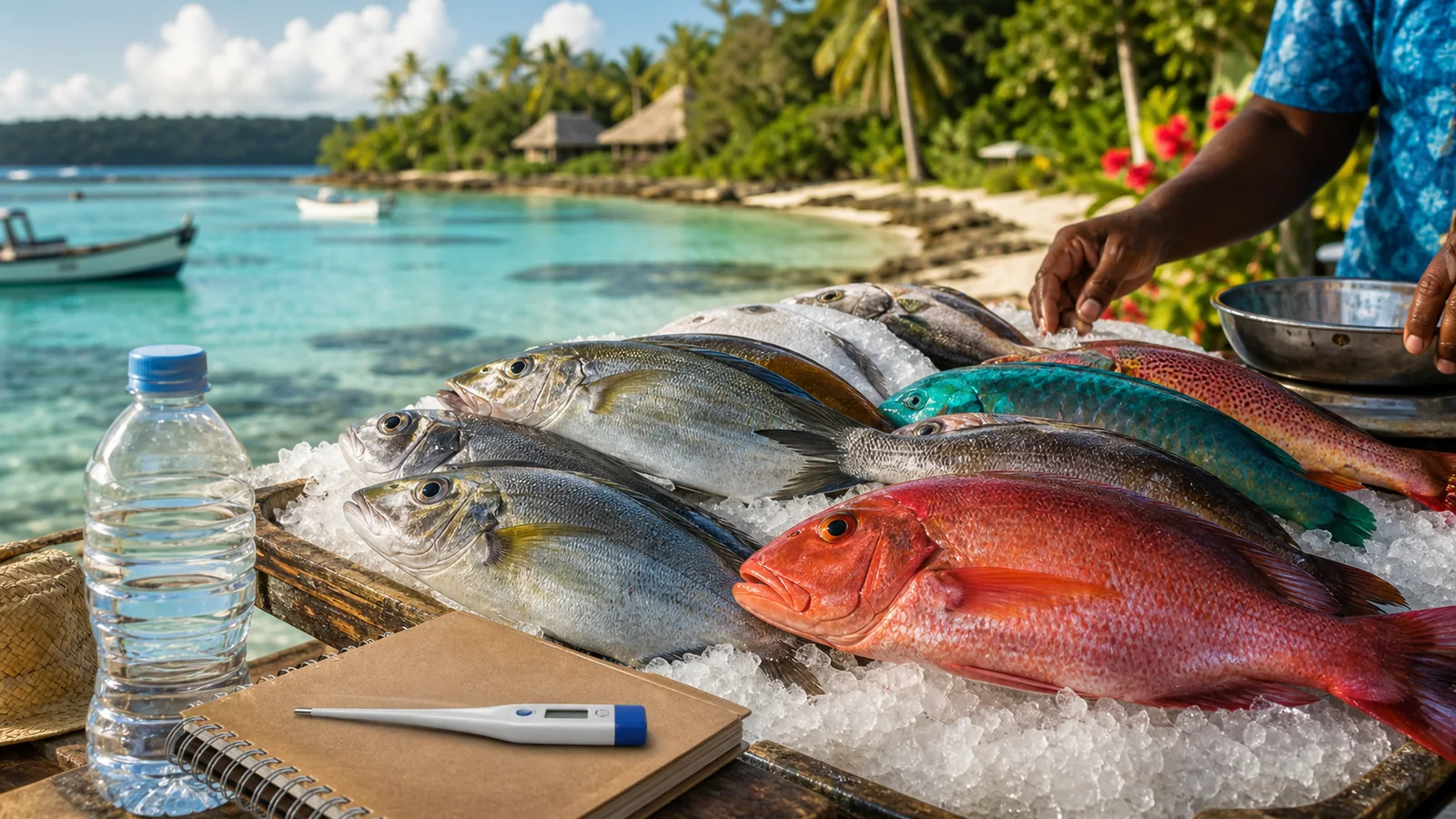
By Wilhemina Carpenter, ReadBasket
Current as of May 13, 2026.
The CDC’s new Vanuatu ciguatera fish poisoning notice is the kind of travel warning that sounds niche until you are standing in front of a beautiful reef fish dinner on a tropical island.
On May 7, 2026, the CDC posted a Level 1 travel notice for ciguatera fish poisoning in Vanuatu. Level 1 does not mean “do not travel.” It means practice usual precautions. But the practical detail is important: ciguatera toxins cannot usually be destroyed by cooking, freezing or drying fish, and contaminated fish may look, smell and taste completely normal.
That is what makes ciguatera different from the food-safety advice travelers usually hear. You can choose a clean restaurant, order fish that looks fresh, watch it arrive sizzling from the grill, and still have no visible clue that a reef fish contains toxin. This is not about dirty kitchens. It is about toxins produced around coral reefs and concentrated through the marine food chain.
What Is Ciguatera Fish Poisoning?
Ciguatera fish poisoning is a foodborne illness caused by eating reef fish contaminated with ciguatoxins. The toxins originate from small algae-like marine organisms that grow on and around coral reefs. Smaller fish eat organisms carrying the toxin, larger reef fish eat those fish, and the toxin can build up as it moves through the food chain.
CDC’s Vanuatu notice specifically advises travelers to avoid reef fish including barracuda, grouper and snapper. CDC’s Yellow Book also lists examples such as amberjack, moray eel and sea bass, while noting that some omnivorous and herbivorous reef fish can carry risk too. Bigger reef fish are often riskier because they have had more time to accumulate toxins.
The toxin is not spread person to person in the usual sense. A traveler does not catch ciguatera from another traveler. The risk comes from eating contaminated fish.
Why Cooking Does Not Fix It
This is the point travelers need to remember. Ciguatera is not like undercooked chicken or spoiled shellfish. Heat does not reliably remove the risk. Freezing does not remove it either. Drying, smoking, salting or pickling are not dependable safeguards. The fish may look fine, taste fine and be prepared beautifully.
That makes “just make sure it is cooked properly” the wrong advice. The safer choice during a known ciguatera outbreak is to avoid the higher-risk fish altogether, especially large reef fish. If you want local seafood, ask about lower-risk options and pay attention to official health advice from the destination.
Symptoms Can Feel Strange
Ciguatera symptoms often begin with the stomach. CDC says symptoms usually develop three to six hours after eating contaminated fish, although they can start up to 30 hours later. Nausea, vomiting, diarrhea and stomach pain are common.
The more unusual symptoms are neurological. Travelers may experience tingling, itching, tooth pain, a metallic taste, blurred vision, increased sensitivity to hot and cold, or temperature reversal, where cold items feel hot and hot items feel cold. CDC’s Yellow Book also notes that some neurological symptoms can last for weeks, months or even longer in some cases.
This article is general information, not personal medical advice. Seek medical care if you develop symptoms after eating fish during or after travel, especially if you have neurological symptoms, faintness, chest symptoms, severe dehydration or worsening illness.
Why Vanuatu Travelers Should Pay Attention
Vanuatu is a dream destination for many travelers: clear water, coral reefs, island food culture, diving, snorkeling and seafood meals that feel inseparable from the experience. That is exactly why this notice matters. A food warning is more useful when it arrives before the decision, not after.
The point is not to treat every meal with suspicion. It is to know which foods deserve a pause. During an outbreak, reef fish such as barracuda, grouper and snapper are not the place to take a “surely it will be fine” gamble. Ask what fish is being served. If the answer is vague, choose something else.
Travelers should also remember that ciguatera can be underrecognized. People may return home before symptoms are understood, and doctors in non-tropical countries may see it less often. If you become ill after travel and recently ate reef fish, say that clearly during medical evaluation.
A Practical Travel Checklist
- Check CDC notices before departure. Travel health notices are not only for vaccines and mosquito diseases; food toxins matter too.
- Avoid high-risk reef fish during the outbreak. CDC names barracuda, grouper and snapper in its Vanuatu notice.
- Do not rely on cooking. Grilled, fried, dried or frozen fish can still contain ciguatera toxin.
- Ask specific questions. “What fish is this?” is better than “Is the fish fresh?” Freshness does not solve ciguatera.
- Be cautious with large reef fish. Larger predatory reef fish are often the classic risk category.
- Seek care for symptoms. Mention travel, destination and fish exposure if you become ill.
The Climate And Reef Connection
Ciguatera is also a small window into a larger travel story. CDC’s Yellow Book notes that marine toxin risks are affected by climate change, coral reef damage, expanding tourism, seafood trade and toxic algal blooms. As reefs change, food safety in tropical destinations can change with them.
That does not mean travelers should avoid island destinations. Tourism can support local economies, conservation and livelihoods. But it does mean food advice may become more dynamic. The safest meal choice may depend on current local conditions, not only on what has always been eaten in a place.
How To Still Enjoy Food Travel
Food is one of the best reasons to travel, and a warning like this should not flatten an entire destination into one risk. Vanuatu has far more to offer than high-risk reef fish. Travelers can lean into fruits, root vegetables, coconut, local greens, well-cooked non-reef proteins and dishes recommended by guides or hosts who are following current health advice.
The tone should be practical, not fearful. A beautiful seafood meal is not worth weeks of neurological symptoms. A careful question at the table is not rude; it is part of informed travel.
The Bottom Line
The Vanuatu ciguatera notice is useful because it corrects a common travel assumption. Not every food risk can be cooked away. With ciguatera, the fish can look perfect and still be unsafe.
If you are traveling to Vanuatu during the outbreak, follow CDC guidance, avoid higher-risk reef fish, and seek medical care if symptoms develop after eating fish. If you are heading to any tropical reef destination, keep the lesson close: ask what the fish is, not just whether it is fresh.
Good travel is not about eliminating every risk. It is about knowing which risks are invisible, and making better choices before the plate arrives.
Read next: After the MV Hondius Hantavirus Outbreak, Expedition Cruisers Need a Medical-Evacuation Plan