 Clara Bennett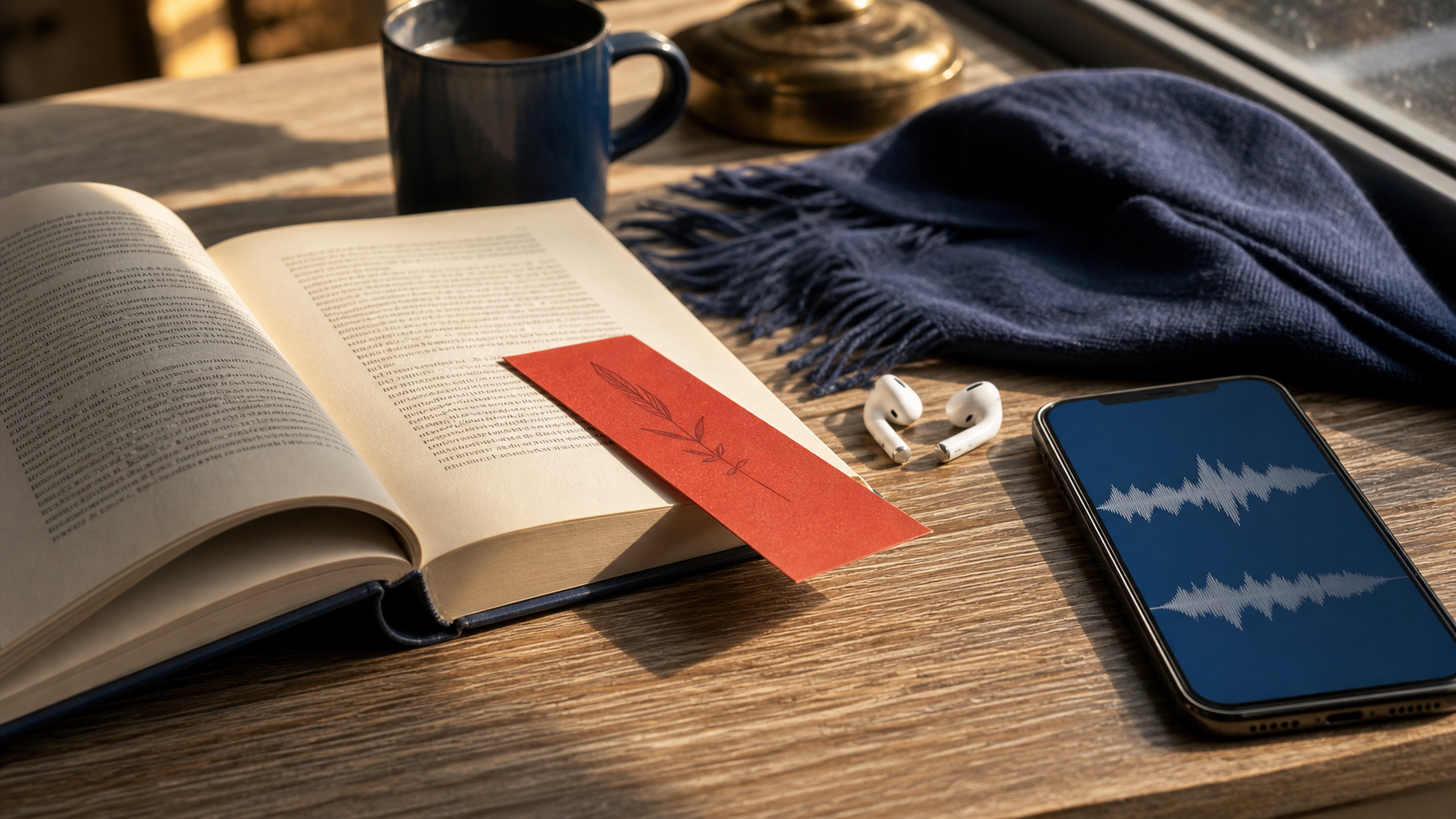
By Clara Bennett | Research current to May 6, 2026
Book people have spent years arguing over whether audiobooks count as reading. Spotify seems to have walked around the argument and asked a more useful question: what if readers do not want one format to win? What if they want a story to follow them from the sofa to the train, from the printed page to the earbuds, and then back to a physical book without losing their place?
That is why Spotify’s new audiobook push is bigger than another streaming feature. Page Match, Bookshop.org purchasing, audiobook charts, recaps, and expanded audiobook access are all different pieces of the same fight. Spotify is not simply competing for audiobook hours. It is competing for the reading habit itself: the moment someone discovers a book, samples it, shares it, buys it, returns to it, and talks about it online.
Read next: OpenAI Comes to AWS Bedrock With GPT-5.5 and Codex
The bookmark is becoming software
Page Match is the feature that makes the strategy easiest to understand. Spotify says the tool lets listeners scan a page in a physical book or e-book and jump to the matching place in the audiobook. In reverse, it can help a listener find the spot in print where the audio left off. That sounds small until you think about the real reason people abandon books. It is rarely because they stopped caring forever. It is because the format stopped fitting the day.
A tired reader might listen while cooking, read ten pages in bed, switch back to audio in traffic, then use a recap after a week away. That is not a replacement for reading. It is a repair kit for interrupted attention. The company says Page Match users stream more audiobook hours on average each week than other listeners, which suggests the feature is not only a nice trick. It may change how long people stay with a book after the initial burst of interest fades.
Bookshop.org makes the move more complicated, and more interesting
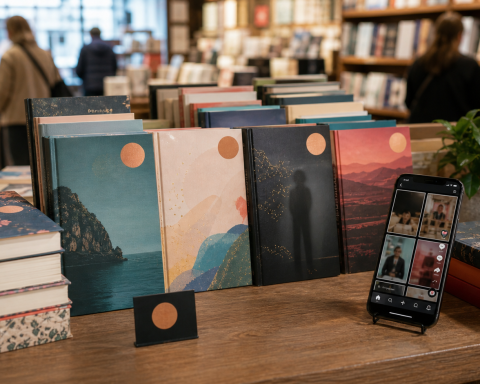
The Bookshop.org partnership matters because it softens one of the obvious criticisms of a streaming company pushing deeper into books. If Spotify only trained readers to rent attention inside one app, independent booksellers would have reason to worry. By adding a route to buy physical books through Bookshop.org in the U.S. and U.K., Spotify is trying to connect discovery to print sales rather than treating print as the enemy.
That does not make everyone relaxed. Platforms always change the shape of culture when they become a discovery layer. Charts can make certain titles feel unavoidable. Algorithms can nudge readers toward books that perform well in audio. Author pages and in-app recommendations can reward books with strong cover design, narrator appeal, celebrity adjacency, or BookTok heat. The upside is obvious: more casual listeners may find books they never would have searched for. The risk is that reading taste starts to behave more like streaming taste, where momentum can be as powerful as merit.
The audiobook wars are really habit wars
Audible still has deep roots in audiobooks. Libby has the public-library advantage. Apple, Google, Kobo, Libro.fm, Everand, and publisher-direct options all have their own reasons to exist. Spotify’s advantage is different: it is already part of the day for hundreds of millions of people. It does not need to persuade a user to open a book app from cold. It can place books next to music, podcasts, celebrity interviews, and the rest of the attention routine.
That gives Spotify a powerful opening with readers who do not think of themselves as audiobook people. A user might finish a podcast with an author, see an audiobook chart, listen for fifteen minutes, then buy the paperback through Bookshop.org. Another might hear about a romantasy title on BookTok, listen during a commute, and use Page Match when the physical copy arrives. The modern reading path is messy. Spotify is building for the mess.
What this means for authors and publishers
For authors, the opportunity is discoverability. A book can now behave more like a cultural object that moves between formats: audio clip, chart placement, social post, author page, print purchase, and fan discussion. That is especially useful for genre fiction, celebrity memoir, self-help, romance, fantasy, and narrative nonfiction, where communities already drive recommendations. The audiobook is not just a sale. It is a doorway.
Publishers will still need to watch the economics. Subscription listening changes how consumers think about book value. A reader who gets used to audio hours inside a broader entertainment plan may become more willing to try new books, but less willing to pay separately for every title. That tension is not going away. The winners will be the publishers and authors who treat audio, print, e-book, and social discovery as one reader journey rather than separate departments fighting for credit.
What readers should take from it
For readers, this is mostly good news if you keep a little agency. Use the charts, but do not let charts become your entire shelf. Use Page Match if it helps you stay with a book, but do not turn every reading hour into another optimized media loop. Buy the physical copy when you know you want to keep it. Borrow from the library when that is the better choice. Support indie bookshops when discovery leads you to a book you would like to own.
The old question was whether listening counted. The better question in 2026 is whether a book can survive the way people actually live. Spotify is betting that the answer is yes, as long as the bookmark is allowed to move. That makes the audiobook wars less about audio versus print and more about who gets to guide the reader from one format to the next.