 Wilhemina Carpenter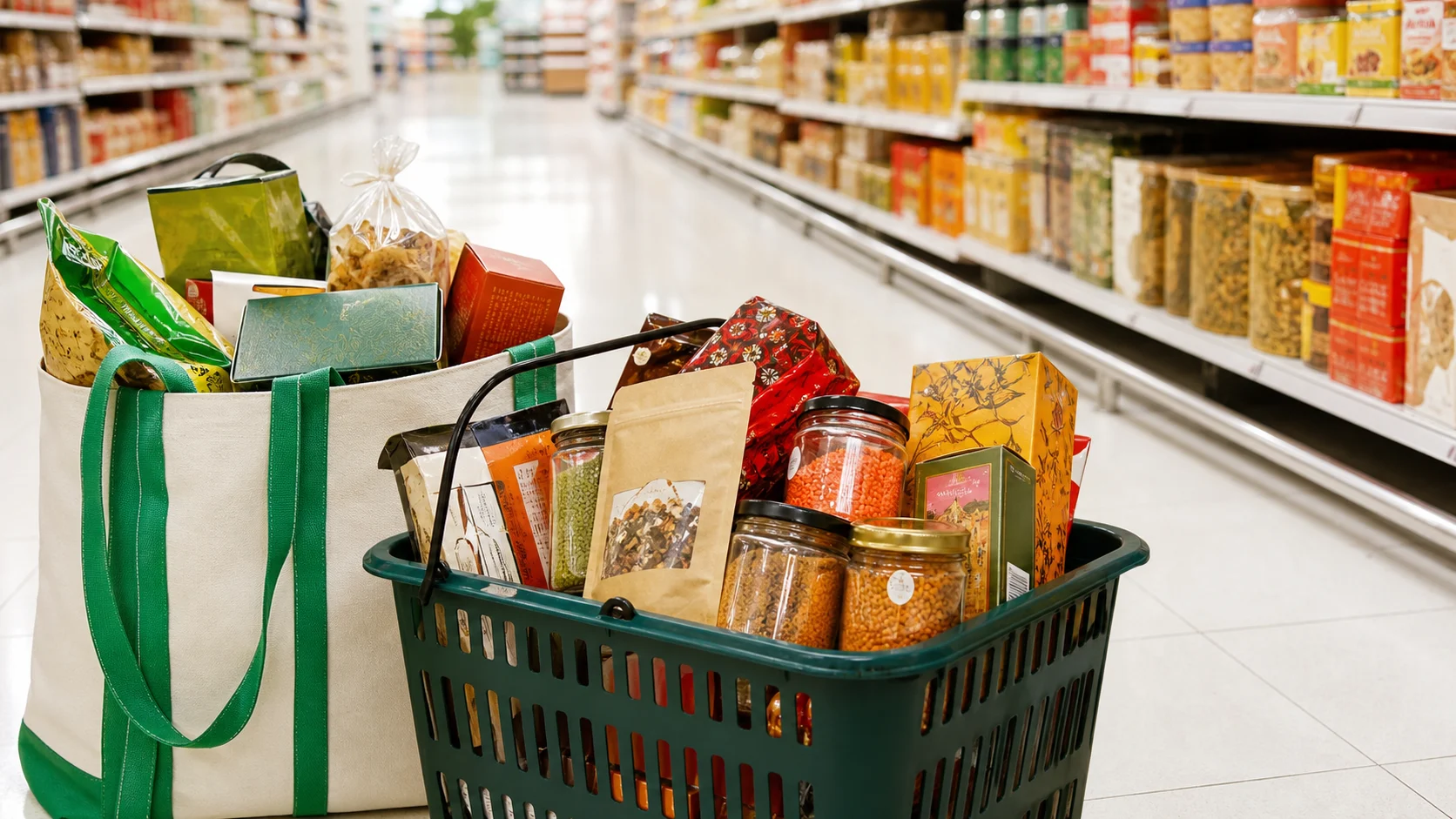
By Wilhemina Carpenter | Research current to May 6, 2026
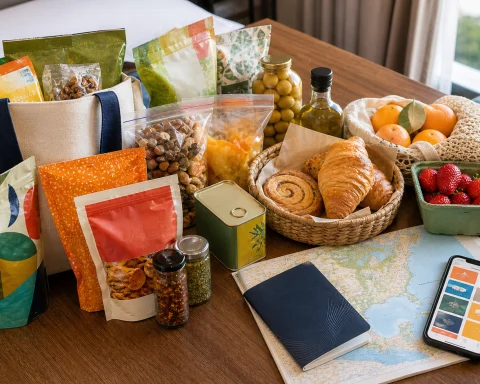
The best travel souvenir in 2026 might not be a magnet, a mug, or anything that needs dusting. It might be a packet of local crackers, a jar of chile crisp, a box of breakfast tea, a tin of biscuits, or the weirdly perfect instant soup you bought on your last night because you were too tired for a restaurant. That is the charm of supermarket souvenirs: they are cheap, useful, easy to share, and much closer to everyday culture than another airport trinket.
Food travel is not disappearing from restaurants. It is spreading into markets, bakeries, corner stores, hotel minibars, train-station kiosks, and the snack aisle. American Express has called out “snackpacking” as a 2026 travel trend, with younger travelers making room in the itinerary for local snacks. Hilton’s 2026 trends report also points to grocery store tourism, saying many travelers enjoy browsing food aisles abroad. The appeal is obvious once you try it. A supermarket shows you what people eat on a Monday, what children ask for after school, what office workers grab for lunch, and what families pack for a road trip.
Read next: How to Use AI Travel Assistants Safely in 2026
Why the snack aisle became a travel stop
There is a practical side to this trend. Travel is expensive. Long restaurant lists can turn a simple city break into a spreadsheet. A good grocery store lets you build a tiny food tour for the price of one cocktail: local fruit soda, a regional cheese if you can eat it before flying home, a packet of spice mix, a bakery item, and a few snacks to compare with the versions you know at home. It is also low-pressure. You can wander, translate labels, ask one question, and learn a lot without booking anything.
There is also a softer reason. Grocery stores make a place feel lived in. A guided tasting is wonderful, but it often shows the polished version of local food. A supermarket shows the habit version: the breakfast cereals, the after-work ready meals, the condiments people actually keep in the fridge, the sweets by the till, and the tea or coffee brands that have somehow become part of national memory. For travelers who want culture without turning every hour into an event, this is a lovely middle path.
The three-aisle itinerary
If you want to do supermarket tourism properly, give yourself a small mission. Start with the snack aisle. Look for flavors that are specific to the place: seaweed, paprika, vinegar, black pepper, masala, yuzu, honey butter, smoked cheese, olive oil, grilled corn, or anything that sounds like it belongs to a local dish. Buy small bags and open one while you are still there. The goal is not to haul home a suitcase of chips. It is to understand what local palates treat as normal.
Next, move to the pantry aisle. This is where the best suitcase-friendly souvenirs usually live: spice blends, dry pasta, rice seasoning, instant noodles, teas, coffee, chocolate, biscuits, crackers, jams in checked luggage, shelf-stable sauces, and little tins. The pantry aisle is also where you spot bigger food trends. Whole Foods’ 2026 trends report, for example, points to fiber-forward foods, vinegars, elevated frozen and instant meals, and more mindful sweeteners. You will see local versions of those global trends everywhere if you start looking.
Finally, visit the breakfast aisle. Breakfast is one of the most revealing meals because it is ordinary by design. Muesli, rusks, crispbread, sweet rolls, yogurts, drinkable kefir, tea cakes, nut spreads, and instant coffee tell you what a place thinks a normal morning tastes like. If you are staying somewhere with a small kitchen, this aisle can turn a trip into something calmer. You get a cheaper breakfast, a slower morning, and a better sense of everyday life.
What to bring home, and what to leave behind
The safest supermarket souvenirs are commercially packaged, shelf-stable, sealed, and clearly labeled. Think tea, roasted coffee, chocolate, candy, dry spice blends, biscuits, crackers, cereal, instant noodles, canned goods, and factory-sealed sauces packed correctly. The trick is not just customs. It is also luggage. Liquids, gels, spreads, oils, vinegars, jams, honeys, and sauces can create airport security problems in a carry-on if they are over the usual small-container limit, so put them in checked luggage when allowed and wrap them as if the cap will betray you.
Be cautious with meat products, fresh fruit, fresh vegetables, seeds, plants, loose herbs, home-canned foods, and anything that looks agricultural rather than packaged. For U.S. travelers, USDA APHIS and CBP both stress that agricultural products must be declared, even if they end up being allowed. Declaring is not a drama. Hiding is the expensive mistake. Keep receipts and original packaging, and check rules before you buy anything sentimental or pricey.
A better way to eat between bookings
Supermarket souvenirs are not only for the flight home. They can make travel days easier while you are still moving. A clean little meal from a grocery store can beat a heavy airport lunch: yogurt and nuts, hummus and flatbread if you will eat it before security, fruit for the room, a salad bowl, boiled eggs, sparkling water, or a simple bakery item with coffee. For anyone trying to feel good while traveling, this is often where the win is. You still enjoy local food, but you are not eating every meal like it is a dare.
The best rule is to shop with two lists. The “eat now” list can include fresh, chilled, or fragile things you will finish before you fly. The “take home” list should be sealed, sturdy, legal, and worth opening a month later. Leave space in your bag, carry a few zip bags, and take a photo of the aisle where you found your favorite item. That way, if you fall in love with a ten-dollar packet of something, you have a fighting chance of finding it again.
Bottom line
Supermarket tourism works because it is humble. It does not ask you to prove you are adventurous. It lets you be curious in a normal place. In 2026, when travelers want trips that feel meaningful but still manageable, the snack aisle may be one of the easiest places to begin. Buy the biscuit. Read the label. Ask what people eat with it. That little errand might become the story you tell first when someone asks what the trip tasted like.