Editor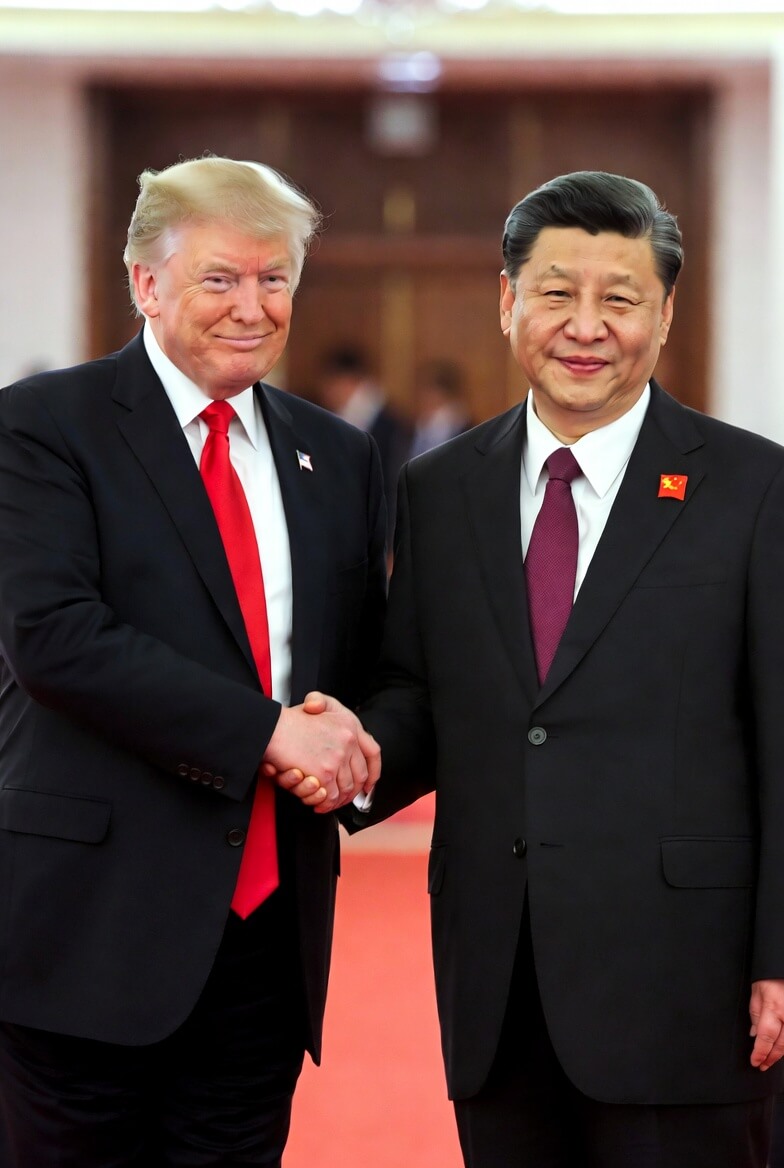
In a strategic move to reduce dependence on foreign suppliers, the United States has initiated a major international effort to secure stable access to critical minerals essential for modern technology, defense systems, electric vehicles (EVs), and renewable energy solutions. This push comes amid growing concerns over China’s overwhelming control of global mining and processing of these vital resources.
On Wednesday, the US State Department convened the inaugural Critical Minerals Ministerial meeting in Washington. Representatives from key allies and partners—including the United Kingdom, European Union, Japan, India, South Korea, Australia, and the Democratic Republic of Congo—gathered to explore ways to boost availability, investment, and fair access to minerals like rare earth elements, lithium, cobalt, and others crucial for semiconductors, smartphone production, batteries, and military hardware.
Key US Officials Outline Bold Plans
Vice President JD Vance and Secretary of State Marco Rubio led discussions, emphasizing the risks posed by over-reliance on concentrated “foreign supply” chains that flood markets and suppress prices. This dynamic discourages new mining projects elsewhere due to financing challenges and low returns.
Vance highlighted plans to implement tariffs designed to prevent excessive price drops, protecting investments in alternative sources. A special assistant to President Donald Trump, David Copley, announced intentions to channel hundreds of billions of dollars into the mining sector to accelerate project development. Existing investments include support for companies like MP Materials (a leader in rare earth magnets) and Lithium Americas (focused on battery-grade lithium production).
US Trade Representative Jamieson Greer revealed ongoing collaboration with Japan and the European Commission to align trade policies and create coordinated mechanisms that safeguard supply chains from disruptions.
Broader US Strategy: Project Vault and Beyond
This ministerial event builds on recent announcements, including President Trump’s unveiling of Project Vault—a nearly $12 billion strategic reserve for critical minerals—aimed at stockpiling and stabilizing domestic and allied supplies.
Industry leaders have welcomed these steps. Wade Senti, president of Advanced Magnet Lab, described the initiatives as “critical” for strengthening US access to rare earths and other minerals amid escalating geopolitical tensions.
China’s Response and Export Controls
China dominates the extraction and refining of many critical minerals, particularly rare earths, giving it significant leverage in global trade. Recent months saw tightened export rules requiring government approval for shipments, which briefly strained US industries heavily reliant on these imports. Although Beijing later relaxed some restrictions, analysts view these measures as a bargaining tool in ongoing US-China trade negotiations.
A Chinese Foreign Ministry spokesperson urged adherence to market principles and international rules, calling for dialogue rather than confrontation.
The ministerial coincided with a phone call between President Trump and Chinese President Xi Jinping, which Trump called “very positive,” signaling potential for de-escalation amid these developments.
Why Critical Minerals Matter in 2026
These materials power everything from everyday consumer electronics to advanced defense technologies and the green energy transition. China’s near-monopoly has raised alarms about supply vulnerabilities, price manipulation, and national security risks—prompting the US and allies to prioritize diversified, resilient supply chains.
As global demand surges for EVs, AI hardware, and clean tech, this alliance could reshape international mineral markets, spur new mining investments worldwide, and reduce strategic dependencies.
Stay tuned for updates on critical minerals supply chain, US-China trade tensions, rare earth elements, and EV battery materials as these geopolitical and economic shifts unfold. This evolving story highlights the intersection of technology, national security, and global trade in an increasingly competitive landscape.